Welcome to Around the Grove, the official student blog of The Universities at Shady Grove! Students are able to blog about their college experiences, both inside and outside of the classroom. Read about their triumphs, trials and everyday lives that makes being a college student so uniquely life changing — and challenging. Feel free to connect with them by leaving a comment or asking them questions.
Today is the last post of the semester, and my last post. I will graduate with my Bachelor’s degree at the end of this semester. So, I thought I would reflect and share everything I learned and am still learning.
I chose to write all my blog posts with the theme of stress because it is at the root of struggles regarding mental health, impacting well-being, and connects us all. Stress is a reaction that leads us to feel stressed, which can consume and mess with our well-being and mental health. I also chose to add plenty of images or videos because, as a visual learner, seeing something that captures the essence of ideas helps convey the message and grabs attention to help with understanding. I thought I would insert as many eye-catching images capturing the feel of the concept, connecting the audience with the message as it does with me. Before coming to USG, through the psychology program at UMBC, I also studied art at MC, and putting images in blogs helped me connect meaning with visual aids in writing.
Here are my favorite posts and visuals, a reflection on them, lessons, experiences, and tips:
In Handling Stress for Health and Wellness, I mentioned that stress can affect health and well-being, detailing the manifestations of stress, some I became familiar with.
Getting on track, one step and breath at a time, mentioned clear headspace, productivity, focus, motivation, and how to avoid stress getting in the way of that. I learned about productivity and the power of visualization in something like decluttering, how a clear and organized space helps mental ease in tracking stress and productivity for success.
Presenting Yourself, showcasing how stress is so powerful in interfering with speech, expressing feelings of doubt, incertainty, and nerves I experienced.
Refocusing; with Colors of Spring power of visualization, seeing the colors and catching attention, distracting from working, and continuing motivation, trying to mess with staying on track, influencing stress, related to my last post Reigiting, Recharging and Reseting, about Burnout, the way to combat the distractions, lack of or change in motivations whether it is exhaustion or relaxation, the key is balance to stay happy and healthy flow of work and productivity.
I underestimated breathing, slowing down, resting, simplifying, moving, stretching, and knowing I am not alone. I will add being gentle with yourself, going back to the basics, letting go, embracing change, adapting to challenges, turning it into a positive, and working on mindset, as things I learned, and additional tips.
I met many people who influenced my journey and introduced me to resources that helped me with my growth, progress, and success. Thank you for reading my posts, and I wish everyone good luck with finals and the future.
As this semester comes to an end and summer vacation approaches, I’ve decided to slow down and take this season as an opportunity to reset. For me, summer is more than just a break from classes; it’s a time to reconnect with myself, reflect on everything I’ve experienced, and dive into stories that stir the soul. This year, I’m choosing books that entertain, challenge, heal, and expand the way I see the world.
Here’s my curated summer reading list, filled with stories from powerful voices across cultures, themes of identity, and quiet moments of transformation.
Pinterest
Men Who Hate Women by Laura Bates
This book is at the top of my list because I want to understand more about the online communities and ideologies that shape modern misogyny.
Pinterest
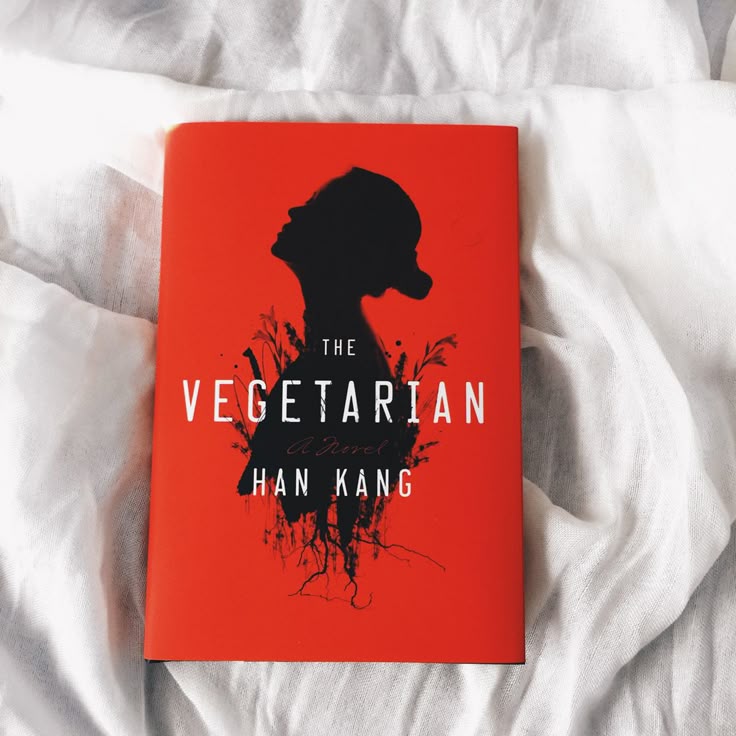
The Vegetarian by Han Kang
A haunting and surreal novel that explores one woman’s quiet rebellion against societal expectations. I’ve heard it’s unsettling and beautiful all at once.
Pinterest
The Stationery Shop by Marjan Kamali
I am a big fan of historical fiction, and this one is about love and loss set against the backdrop of political upheaval in 1950s Tehran. I hope it’ll be the kind of book that makes yoy cry and smile in the same chapter.
Pinterest
A Tale for the Time Being by Ruth Ozeki
This book has been on my list for a while. Blending time, memory, and the interconnectedness of human experience. I think it’s going to be one of those profound, mind-opening reads that makes you think about life, time, and the way we tell our stories.
Pinterest
The Forest of Enchantments by Chitra Banerjee Divakaruni
Chitra Banerjee Divakaruni is one of my favourite authors. I love the way she writes. This is a retelling of the Ramayana through Sita’s perspective. I’m excited to experience this retelling, not just as a story, but as a reflection of womanhood, resilience, and strength.
Pinterest
More Days at the Morisaki Bookshop by Satoshi Yagisawa
I adored the first book in this series; it was gentle, nostalgic, and filled with the kind of warmth that lingers long after you’ve closed the pages. I’m expecting the same comforting experience with this one.
As I sit in front of my laptop to write this final post, I’m overwhelmed with mixed emotions of excitement, relief, and maybe a little bit of fear. Graduation is not only a celebration of academic achievement, but also the closing of a chapter filled with meaningful friendships and unforgettable moments that helped shape the person I am today.
Looking back to the first day I walked onto campus, I wasn’t sure what to expect, but was looking forward to what’s ahead of me. There were sleepless nights before exams and failures that taught me lessons that will stay with me for a lifetime. Through every challenge, I found strength I didn’t know I had.
I want to say thank you to my professors, peers, and mentors that believed in me when I didn’t believe in myself and provided endless support throughout my journey at USG. Their words of encouragement made all the difference. Whether it was during office hours, or in moments when I needed guidance the most, I am deeply grateful. I appreciate my classmates for the laughter and the shared struggles that turned into bonds that I’ll cherish forever.
I can’t help but wonder where life will take me in the future. I don’t know where my career will start. All I know is I am feeling excited and I’m ready to return to my home country after being away for years, to rest and recharge. Most importantly, I’m ready to face the world with open arms and everything I’ve learned here.
This isn’t goodbye; it’s just “see you soon”. USG will always be a part of my story, and I will carry it with me wherever I go.
Finals week felt like trying to run a marathon with no training, no water, and someone occasionally throwing textbooks at you. I started strong, but somewhere between the third all-nighter and my fifth caffeine-fueled breakdown, burnout hit hard. My planner was full, but my motivation was empty. Still, through the chaos, I found small ways to climb out of the hole, and not just survive finals, but come out stronger. Here’s how I went from burnout to breakthrough.
It didn’t happen all at once. It was like a slow fade: waking up tired even after sleeping, rereading the same sentence ten times, and feeling oddly emotional about running out of highlighters. Group projects drained me, deadlines piled up, and even the smallest tasks felt overwhelming. I knew I was in burnout territory when I cried because my laptop died mid-paper, and I didn’t save my progress. Not my proudest moment, but very on-brand for finals week.
My turning point came during a late-night vent session with a friend who reminded me, “You don’t need to ace everything. You just need to finish.” That simple truth shifted something in me. I realized I didn’t need to be perfect—I just needed to be steady. I stopped doom-scrolling, put my phone on Do Not Disturb, and committed to focusing for just one hour at a time. It wasn’t magic, but it was a start.
Here’s what helped:
Time-blocking: I broke up my day into 90-minute chunks with built-in breaks. It made studying feel less endless and more doable.
Study playlists: Lo-fi beats and instrumental movie soundtracks kept me focused without distracting lyrics.
Workspace reset: I lit a candle, cleared my desk, and made studying feel slightly more aesthetic than apocalyptic.
Saying no: I turned down extra plans, muted group chats, and permitted myself to not be everywhere at once.
Letting go of perfection: I submitted papers that weren’t flawless but were done. And sometimes, done is enough.
Burnout didn’t mean I was lazy or incapable; it meant I had been pushing myself too hard without rest. I learned that breaks are productive, perfection is optional, and asking for help doesn’t make you weak. Finals were a reminder that success isn’t just about grades, it’s about how you take care of yourself under pressure.
Now that the chaos has passed, I’m taking a deep breath and maybe a nap. I’m proud of what I accomplished, not because it was easy, but because I didn’t give up when it was hard. Summer’s calling, and so is rest, joy, and everything that doesn’t come with a deadline. Here’s to the burnout we survived, and the breakthrough we earned.
I want to talk about burnout, something we all experience at any age, at any stage and occupation in our lives. Burnout is a state of exhaustion caused by lingering ongoing stress that affects a person emotionally, physically, and mentally. When a person reaches the point of feeling burned out, it impacts stamina, and the energy once felt is draining, slipping away, or no longer there; it alters mood and interferes with their ability to maintain productivity and motivation. Burnout results from overwhelming stress accumulation, leading to negative performance and impact on health.
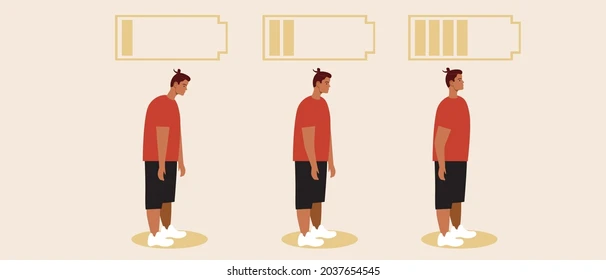
Picture a lit candle burnt out, the energy levels running low on a battery, or a degree meter with green, yellow, and red; plenty of visual imagery represents the burnout concept.
I recently started thinking about the different ways burnout shows up. Aside from burnout in the workplace, Senioritis describes a decline in focus, energy, motivation, and effort in students as they finish their academic schooling stage because of fatigue, stress, and pressure buildup. Similarly, students experience midterm and final burnout; due to fatigue, stress, and pressure.
Burnout and recovery can last a short or long time, depending on several factors, such as recognition, severity, resilience, approach, and support.
In my previous posts, I mentioned stress, lack of motivation, and detours in staying on track, which are contributors to burnout. Stress is the root of burnout. Exhaustion in burnout causes a lack of motivation, distraction, and energy depletion. Productivity interference or reduced productivity in burnout causes difficulty getting and staying on track and achieving the headspace. Anxiety also goes hand in hand with burnout, and distress may be connected too.
Burnout causes you to slow down, and recovery is crucial to bring you back up. The candle needs reigniting, recharging the battery, and turning the meter back down to keep going. Some tips to combat burnout:
Simplify your routine for easy maintenance: It may be hard to stick strictly to the routine you set from the beginning, leading to feeling fatigued and unproductive faster. Choose and focus on at least three main tasks each day.
Rest: Rest is a big part of self-care; strive for quality sleep, rest, and relaxation. Set time to create downtime for balance and breaks in your schedule to re-energize.
Reward: celebrate big and small achievements to maintain motivation.
Move: Get up, walk, look around, and stretch; this will help prevent exhaustion.
Breathe: Slow, deep, and intentional breathing helps destress, keep exhaustion away, and refresh focus and motivation, getting you ready to be productive again.
Listen to your body: Slow down when needed and modify your daily routine to how you feel and the signs your body gives.
Remind yourself: remind yourself of your goals, how far you have gotten, and that others feel this too.
Managing stress will prevent burnout and give you the power to return to work happy and healthy.
For most of my life, success came with a checklist: good grades, impressive achievements, and a clear, upward path. I thought if I kept ticking boxes, I’d eventually arrive at a place where I felt proud, secure, and fulfilled. But as I moved through different schools, countries, and chapters of life, that version of success started to feel less like a goal and more like a weight. I was constantly chasing after someone else’s idea of what a “successful” life should look like, but I rarely stopped to ask myself: What does success look like for me?
Growing up in a culture where academic excellence was often equated with worth, I internalized the idea that my value was tied to my productivity. Moving from Bangladesh to the U.S. only deepened that pressure. I was the new student, the outsider, trying to prove that I belonged. I studied harder, stayed quieter, and avoided risks, believing that achievement would be the key to acceptance.
Pinterest
Even in college, surrounded by ambitious peers and an endless stream of “success stories,” I found myself constantly comparing. Everyone seemed to have a direction, a polished resume, and a post-grad plan. Meanwhile, I was still figuring myself out quietly, wondering if I was enough.
The turning point wasn’t a dramatic revelation, but rather a slow unraveling. I began to feel the weight of burnout. I was overcommitted, under-inspired, and emotionally drained. That’s when I finally paused and asked myself the question I had avoided for so long: What do I want success to feel like, not just look like?
That one question changed everything.
I realized I wanted success to feel peaceful. Aligned. Joyful. Not something that constantly left me anxious or second-guessing. I didn’t want to keep sprinting toward a goal that wasn’t even mine.
Today, I’m slowly redefining success on my own terms. It no longer means perfection or people-pleasing. It means waking up and feeling content, not overwhelmed. Choosing rest without guilt. Being proud of progress, even if it’s quiet or unseen.
I’ve learned that life isn’t a race. The pressure to constantly achieve doesn’t lead to fulfillment; it leads to burnout. Real success, for me, now looks like living in alignment with who I truly am.
This shift hasn’t been easy. I still fall into old patterns. I still compare. I still question if I’m doing enough. But now, I try to catch myself when those thoughts arise and ask: Does this align with the life I’m building for myself?
I’m unlearning the belief that worth is measured by output. I’m letting go of the idea that success only counts if others can see it or applaud it. And I’m learning to trust that being true to myself, no matter how unconventional that looks, is the bravest and most beautiful version of success there is.
So if you’re feeling lost, behind, or like your version of success doesn’t match what the world expects, know that you’re not alone. You are allowed to define success in a way that makes sense to you. And you don’t need to have it all figured out right now. Take your time. One step, one breath, one decision at a time. Your version of success is already within you; you just have to give yourself the freedom to follow it.
In the age of technology with text messaging or dating apps, it’s easy to forget the beauty of love that unfolds slowly with just a glance or a hand-written letter that seemed to arrive after eternity. Before fast-food love, there were timeless period dramas that captured the raw, delicate emotions of love and yearning, with unforgettable characters and iconic lines that make your heart ache. Let’s go back in time and revisit 3 films that are still relevant today.
Pride and Prejudice (2005). Directed by: Joe Wright. Starring: Keira Knightley, Matthew Macfadyen.
“I love you. Most ardently. Please do me the honor of accepting my hand.”
Happy 20th anniversary to Pride and Prejudice! The director breaks away from limitations and gives the characters more solidarity using the environment and changes in light and shadow to echo the character’s mood and use close-ups of the face to capture Jane Austen’s tale of the headstrong Elizabeth Bennet and the enigmatic Mr. Darcy. This film is about the slow, transformative process of understanding and overcoming pride and prejudice. The chemistry between Elizabeth (Keira Knightley) and Mr. Darcy (Matthew Macfadyen) in those moments of tension that speak volumes more than words ever could. To those of you who have seen the film, you will know the most iconic scene is Mr. Darcy’s hand flex scene (if you know you know ;])
The Age of Innocence (1993). Directed by: Martin Scorsese. Starring: Daniel Day-Lewis, Michelle Pfeiffer, Winona Ryder
“You gave me my first glimpse of a real life. Then you asked me to go on with the false one. No one can endure that.“
Martin Scorsese’s The Age of Innocence is a slow, aching exploration of forbidden love and societal expectations in 1870s New York. Newland Archer (Daniel Day-Lewis) plays a man torn between his dutiful fiancée, May (Winona Ryder), and his passionate attraction to the independent Countess Olenska (Michelle Pfeiffer). This film dives deep into the tension of a love that must remain unspoken. The restraint of the upper class makes it difficult for them to break free. The most powerful emotions are the ones we can never express out loud. Some say The Age of Innocence is Scorsese’s most violent film.
Much Ado About Nothing (1993). Directed by: Kenneth Branagh. Starring: Kenneth Branagh, Emma Thompson, Denzel Washington
“I do love nothing in the world so well as you. Is that not strange?“
Shakespeare’s Much Ado About Nothing is a masterpiece about love and misunderstanding. Beatrice (Emma Thompson) and Benedick (Kenneth Branagh) engage in a battle of wits that slowly transforms into a deeper, more genuine love, played out amongst banter, laughter, and unexpected moments of vulnerability. Meanwhile, the more traditional love story between Hero (Kate Beckinsale) and Claudio (Robert Sean Leonard) offers a contrast of loyalty and betrayal.
These 3 period dramas remind us of a time when emotions were felt deeply. The costumes, the settings, the heartache all combine to create a timeless experience that invites us to fall in love with love again. Let these films transport you to a time when love was felt, not texted.
College can be exciting, challenging, and overwhelming. Between classes, assignments, social events, and maybe even a part-time job, it’s easy to forget to take care of yourself. But maintaining a healthy lifestyle is beyond eating clean and hitting the gym; it’s important for succeeding academically and enjoying your college years.
Here are five ways I try to stay healthy during the semester.
Fuel Your Body, But Also Listen to It
Yes, eating balanced meals and drinking enough water are important. But being healthy isn’t about dieting or cutting out your favorite snacks. It’s about finding a routine that works for you and makes you feel good. Eat when you’re hungry, don’t beat yourself up over late-night pizza, and try to include some fruits and veggies in your week.
Move Your Body in Ways You Enjoy
Exercise doesn’t have to mean a strict gym routine. You can go for a walk, dance in your room, play sports with friends, or even stretch in between study sessions. Movement should feel good, not like a punishment.
Get Enough Sleep
Pulling all-nighters might feel like a college rite of passage, but sleep is essential for your mental and physical health. Aim for 7-8 hours of rest when you can. Your body and brain need it to recharge.
Take Care of Your Mental Health
Healthy living includes taking care of your mind. Stress, anxiety, and homesickness are real. It’s okay to ask for help. Talk to a friend, visit your campus counseling center, journal, or take breaks when you need them. Mental health matters just as much as physical health.
Find Your Community
The people you surround yourself with play a big role in your well-being. Spend time with friends who lift you, who support your goals, and who make you feel safe. Even small moments of connection can make a big difference.
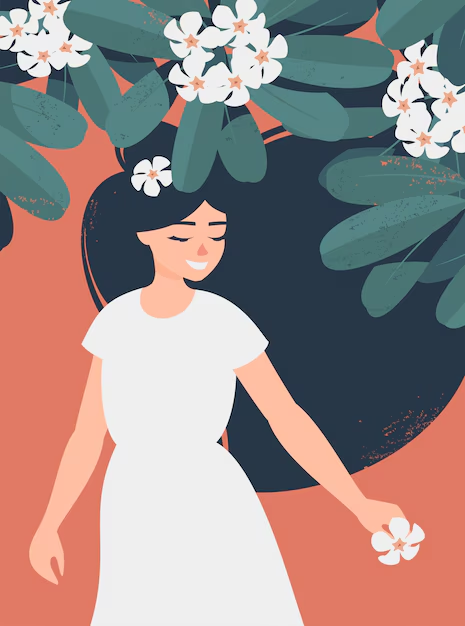
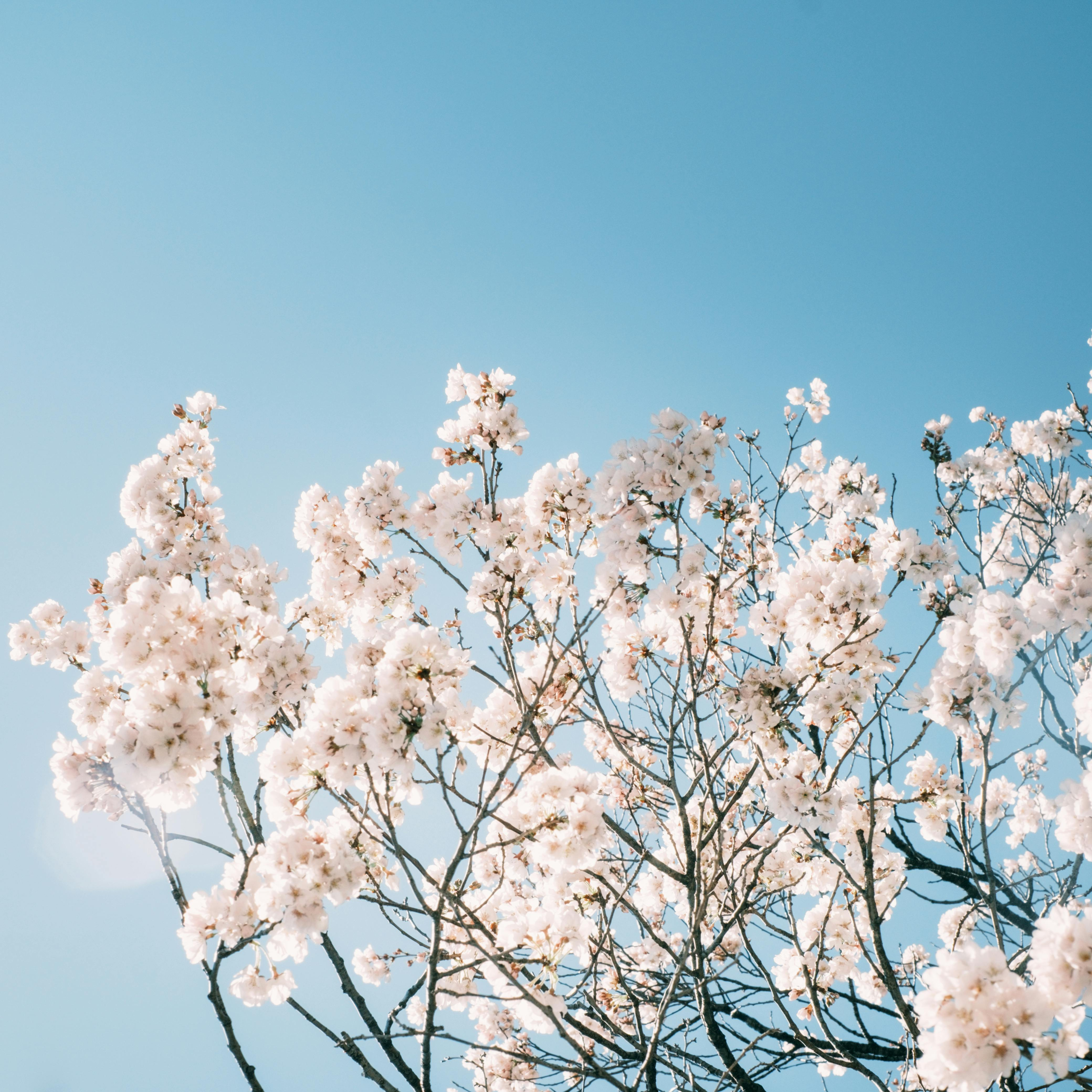
Hi everyone, A few days ago, while outside on my afternoon walks, I was surrounded by cherry blossoms and all their varieties. Other spring flowers matched with the vibrant green plants were in sight, and I became increasingly aware of their vibrant beauty. All around me, taking in all the nature as I walked, I kept noticing how many lively, blooming colors were around. Springtime also brings more daylight and sunnier and warmer days with daylight saving time. The sky is a clear blue, and a white shine in the color-filled environment adds more color to the surroundings.
On the times when I am not walking and sitting down, looking at the scenery, I am thinking of how the pop of colors, especially the blooming flowers and glistening green leaves, reminds me of Impressionism; Impressionism is a style of art capturing light and color in brushstrokes, and it looks like dots with bursts of bright colors creating an energetic yet calm and relaxing feel; watching the beautiful scenery of spring is like viewing an impressionist painting.
Flowers and their different colors hold power over how the person looking at them feels. Not just the flowers but also the bright green leaves and vines or steams, and looking up into the clear blue sky allows viewers to experience the same effects of a flower—experiencing a feeling of overcoming them.
With the captivating attention of spring, with the luminous colors, sunlight, and warmth causing a relaxed feel, a person looking out might find it hard to stay inside and keep working on the computer, wanting to go outside and enjoy the view because we look outside and wish to be there with the colors. I find this happening to me around springtime. Research says seasons affect a person’s mood, and spring alters a person’s mood positively, representing the height of happiness; there are suggestions for going outside during this time as we desire to spend outdoor time with the energy we feel during this seasonal shift, which is affecting our well-being. Seeing the scenery and looking at flowers and greenery is a mood booster, lifting spirits and impacting emotions due to color association.
Do not let the pretty season leave you daydreaming and zoning out, distracting you from work and deadlines coming your way. There are ways to combat this feeling of springtime relaxation, and the key is balance, setting time in and out of the outdoors and bringing bits of nature with you to keep that energetic state. Plan out your day to view the scenery and pick a time to take a short walk; if you are stuck at the desk, look out the window for a few moments; bring in flowers and other plants, real or not, and set them around.
While spring calls a person to stop and relax, the energetic shift and colors should instead motivate a person to keep working while enjoying the outside.
Let’s face it, being a college student is already a juggling act. Between classes, homework, social life, and trying to stay healthy, it often feels like there’s never a good time to slow down. But what if I told you that understanding your menstrual cycle could improve your productivity, energy levels, and even how you approach your schedule?
What is Cycle Syncing?
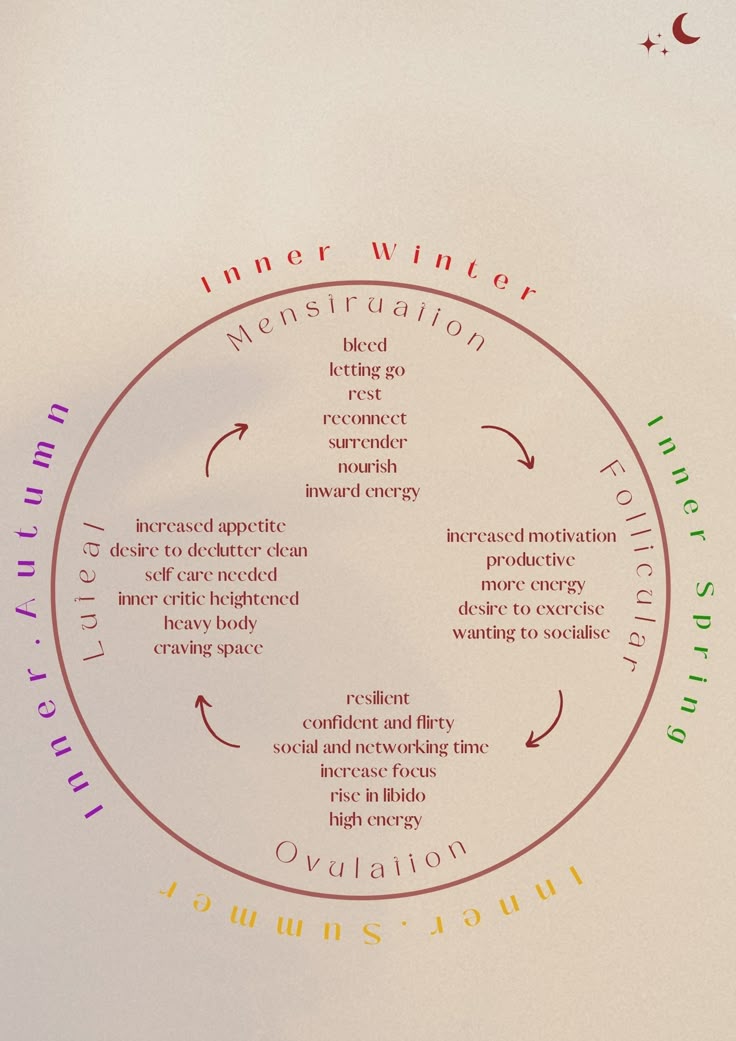
Cycle syncing is the practice of adjusting your daily activities, diet, and exercise routine to align with the four phases of your menstrual cycle: menstruation, the follicular phase, ovulation, and the luteal phase. At first, I thought this sounded a little extra. But once I tried it, it completely changed how I managed my time, treated my body, and showed up in my daily life.
The Four Phases of the Cycle:
Menstrual Phase (Days 1–5) – Your period. Energy is low, and your body is working hard. This is when I prioritize rest, journaling, and reflection. I don’t push myself to do intense workouts or pack my schedule; this is my “reset” time.
Follicular Phase (Days 6–13) – The “fresh start” phase. Estrogen rises, and you start feeling more energetic and optimistic. I use this time for brainstorming, planning new projects, and trying new workouts. This is when I feel most creative.
Ovulatory Phase (Days 14–17) – Your energy peaks here. This is when I schedule presentations, group projects, or anything that involves collaboration and communication. I feel more confident and social.
Luteal Phase (Days 18–28) – The winding-down phase. I tend to feel more introverted and focused. This is a great time for detailed tasks, deep work, and wrapping up assignments. I also focus more on self-care to prepare for my next cycle.
Why It Works for Me
Before cycle syncing, I used to feel frustrated with myself. Why could I ace a presentation one week but struggle to focus the next? Why did my energy feel unpredictable? Now I understand that my hormones were playing a role all along, and instead of fighting them, I’ve started listening. Cycle syncing helps me work with my body instead of pushing through it. I give myself grace when I need rest and take advantage of my natural high-energy days when they come.
College can be chaotic, but understanding your cycle can give you a sense of control and clarity. It’s not about being perfect, it’s about honoring your body and finding balance in your own way. If you’ve ever felt like your energy, mood, or focus fluctuates without explanation, maybe it’s not “just stress.” Maybe it’s your body telling you something. Cycle syncing helped me tune in, slow down, and show up more fully in every area of life, and it might do the same for you.

 Welcome to Around the Grove, the official student blog of The Universities at Shady Grove! Students are able to blog about their college experiences, both inside and outside of the classroom. Read about their triumphs, trials and everyday lives that makes being a college student so uniquely life changing — and challenging. Feel free to connect with them by leaving a comment or asking them questions.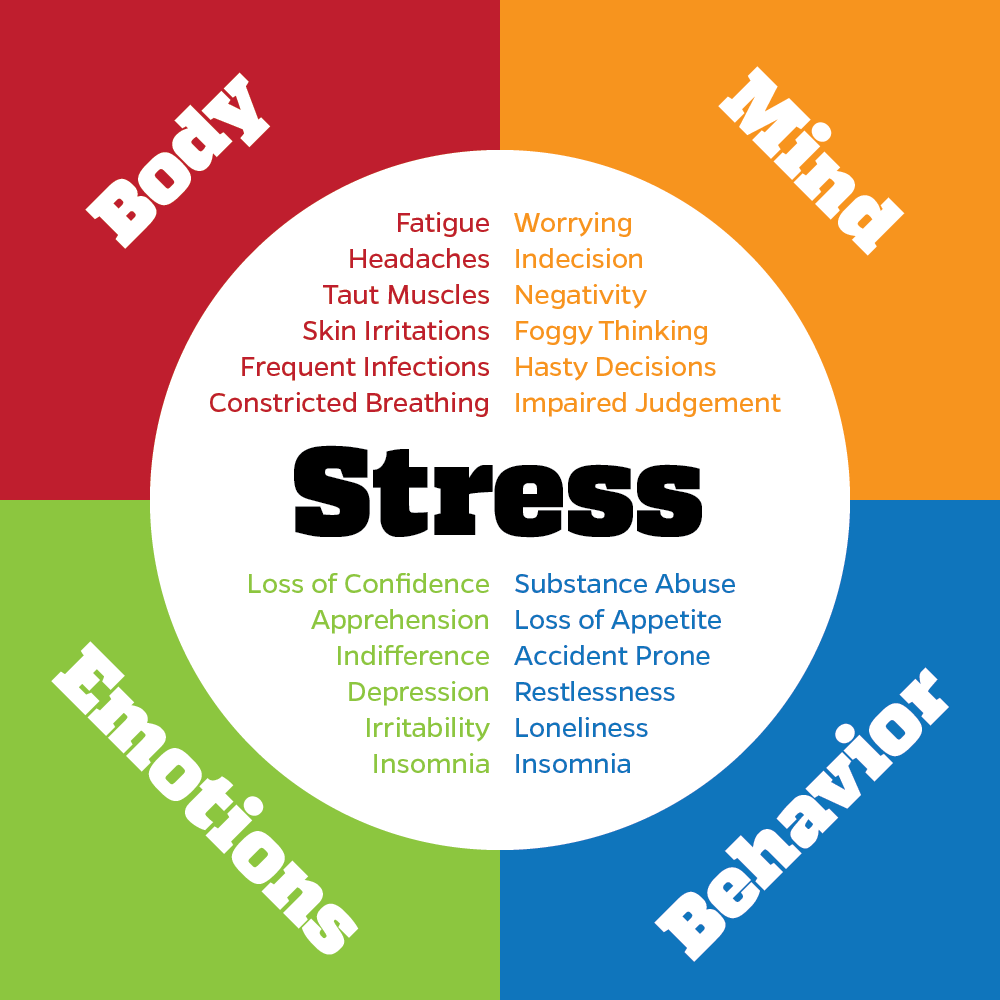





























 USG
USG
 The Universities at Shady Grove (USG)