Sometimes, there are moments when you simply want some time to yourself—to unwind or just exist in the present. Alone time offers the perfect opportunity to engage in activities that allow you to recharge and let everything go for just a while.
One idea is to take a trip to a local thrift shop or antique store, where exploring the unique treasures there can be exciting. You can then journal about your experience, reflecting on what you saw and any thoughts that you may have. Visiting a museum can be a peaceful way to spend time alone. You’ll have the space and time to wander at your own pace and find new inspiration through art.
Another great option is to go for a walk in the park; the fresh air and quiet nature around you can help ease your state of mind. Meditation is also an excellent practice during solo time—it allows you to clear your thoughts and find inner calm. And sometimes, going to the movies alone and getting lost in it can be so immersive that you forget about everything around you. Plus, grabbing ice cream without having to share it with anyone is always a little indulgence that’s just for you.
During these moments of solitude, you’ll discover what makes you feel most “you”. Finding your niche is an important part of how you want to spend your alone time. This time to yourself is allowing yourself to do anything without distractions. You are in control of your own pace. In the end, moments of “me time” can be transformative, helping you to reconnect with yourself and refresh your mind.
Today, I am going to share some simple life hacks that I use to simplify my daily routine.
These hacks are easy to implement and incredibly effective in saving time and reducing stress.
Let’s dive right in!
Planning My Day the Night Before
Image: Pinterest
One of the most impactful changes I’ve made is planning my day the night before. This involves jotting down all the tasks I need to accomplish, from the most critical to the mundane. I use a simple notebook, and the act of writing things down helps me organize my thoughts and prioritize effectively. This small habit has significantly reduced my morning anxiety and increased my overall productivity.
Meal Prepping for the Week
Image: Pinterest
Another game-changer has been meal prepping for the week. On Sundays, I dedicate a few hours to preparing my meals for the workweek. This not only ensures that I eat healthy, home-cooked food but also saves me a considerable amount of time and money. I usually cook a large batch of grains like quinoa or rice, roast a variety of vegetables, and grill or bake some chicken or tofu. Then, I divide the food into containers, making it easy to grab a healthy lunch or dinner on the go.
The Two-Minute Rule
Image: Google Photo
I also follow the two-minute rule, which states that if a task takes less than two minutes to complete, I should do it immediately. This could be anything from responding to an email to putting away laundry. This simple rule has prevented small tasks from piling up and becoming overwhelming.
Setting Digital Boundaries
Image: Google Image
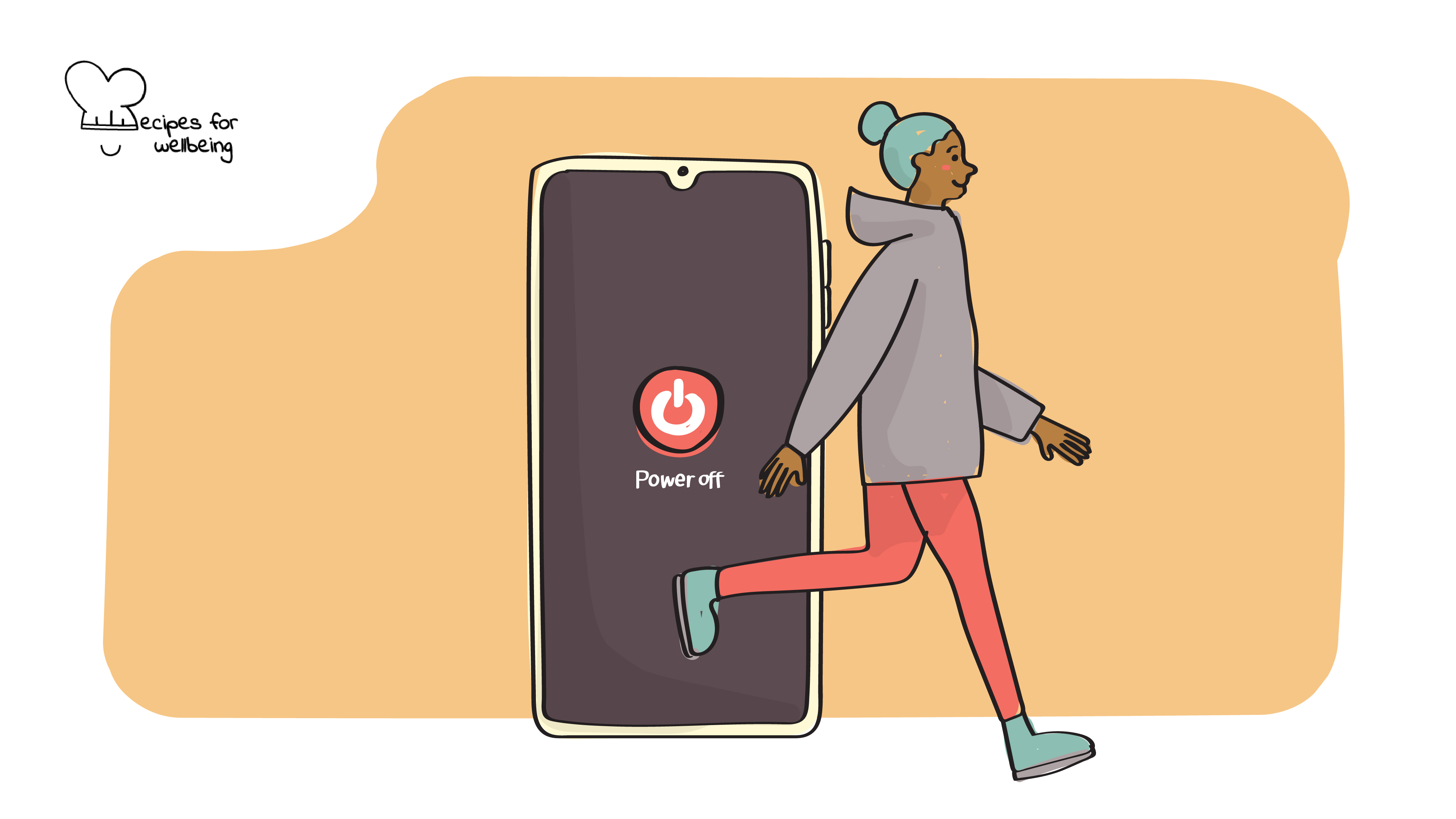
In today’s digital age, setting digital boundaries is essential for maintaining mental well-being. I make it a point to disconnect from technology for at least an hour each day. This could involve reading a book, going for a walk, or spending time with loved ones. I also try to avoid checking my phone first thing in the morning, as this sets a more relaxed and focused tone for the day.
Last but not least, prioritize self-care
Image: Pinterest
Incorporating self-care activities into my daily routine is non-negotiable. This could be anything from a quick meditation session to a relaxing bath. I have found that taking even a few minutes each day to focus on self-care can significantly reduce stress and improve my overall mood.
Hi everyone, I hope you all had a restful and productive spring break.
I want to talk more about stress and the surprising ways it affects our health and performance.
One of the surprising ways stress affects our health and performance is through speech. Speaking is a way to present ourselves, show what we can offer, and create a positive image of ourselves. The inability to do so because of stress affects that, turning into anxiety, fear, and nervousness, commonly seen and expressed in public speaking and social or performance anxiety when talking to people.
I have struggled and still struggle with speaking, trying to avoid public speaking chances. There are many encounters, such as class presentations, meetings, and interviews, where people come across the anxiety stress has on speech; it is something we all go through and can manage.
Anxiety about speaking arises from different things.
In my class, one of our discussions was about the slip-of-the-tongue phenomenon, explaining two perspectives: the Freudian and Psycholinguistic perspectives. The psycholinguistic perspective talks about the cognitive juggle of languages causing the slips, and the Freudian perspective explains the unconscious anxieties and self-doubt felt, describing thoughts and emotions. The Freudian viewpoint of explaining slips of the tongue describes the effect of stress on speaking ability.
Imposter syndrome can affect how we feel about speaking. Thoughts and voices flood our minds about not being qualified or good enough to speak or contribute to the conversation, creating doubt- so you stay quiet, imposter syndrome. Imposter syndrome holds perfectionism, which is wanting to do good but feeling like we can not, leading to judgment and overanalyzation, filling our minds and making us nervous.
Explicit Monitoring theories, mentioned in the TedTalk, explain the overanalyzation that occurs when interfering with the task; when we think others are closely observing and judging us right when we are about to speak, it will result in stress, causing poor performance.
Thinking about speaking in any situation can be intimidating, but preparation helps with the anxiety we feel.
Some tips I mentioned in my blog last month were breathing and mindfulness. These two techniques calm the distress and recenter the person to the present and themselves instead of what others may or may not be thinking, occupying the mind.
Some other tips are to practice beforehand in front of a mirror, family members, pets, or stuffed animals to help control your speaking presentation. Find or have a familiar face in your audience for comfort. Take pauses when talking to gather your thoughts, feel calm, and listen. Lastly, know that you are not alone.
Speaking is an easy task that can be hard, but it is something we can get through.
We often think that improving our lives requires big, drastic changes—waking up at 5 AM, working out for hours, or completely overhauling our routines. But over time, I’ve realized that it’s actually the small, consistent habits that make the biggest impact. Simple shifts in my daily routine have helped me feel more productive, balanced, and at peace. Here are some of the small habits that have truly changed my life for the better.
Waking up without scrolling on my phone: I used to reach for my phone as soon as I opened my eyes, mindlessly scrolling through social media. I didn’t realize how badly that affected my mood and focus for the rest of the day. Now, I try to wait at least an hour before picking up my phone. It has helped me be more present, grounded, and focused in the morning.
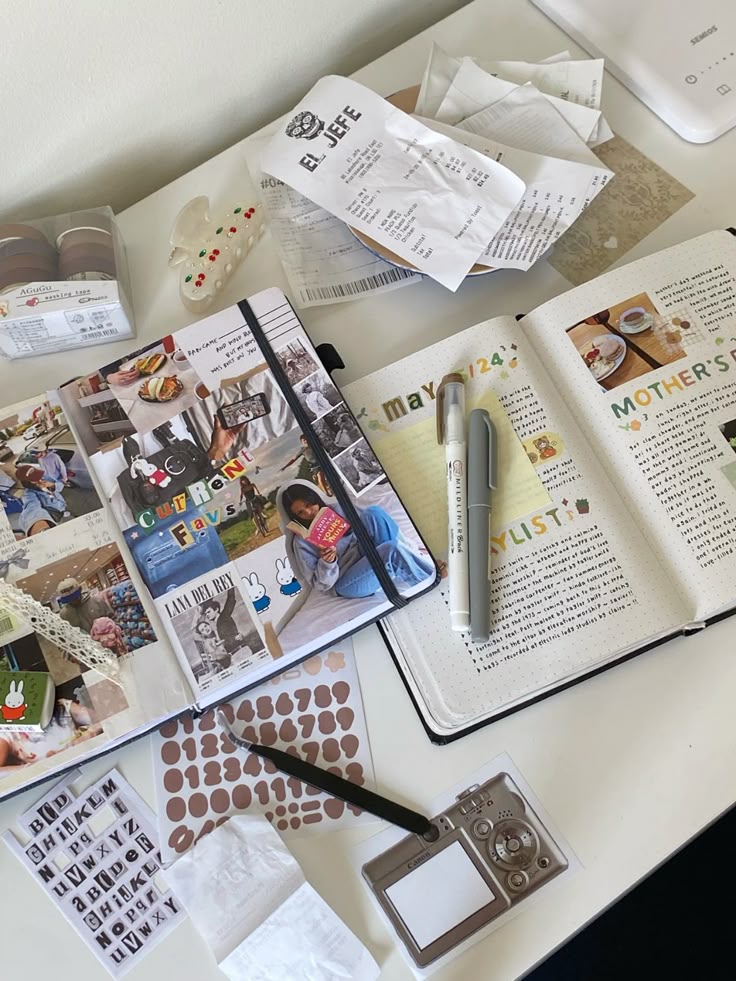
Daily journaling: I’ve struggled with anxiety and overthinking for years, and writing has always been a productive outlet for me. Every evening before bed, I take 10-15 minutes to journal about my thoughts, feelings, and anything I’m grateful for. Not only does this help me process my emotions, but it also gives me a sense of closure at the end of each day.
Moving my body daily(without the pressure of an intense workout): As someone who used to only enjoy high-intensity exercise, I’ve learned to appreciate the power of gentle movement. Looking back, I realized how my relationship with exercise has changed so much over the years. I used to have this mindset where I worked to lose weight or look a certain way. Now I focus more on how moving my body makes me feel—more energized, focused, and just overall better.
Going outside for fresh air: Even on the busiest of days, I try to step outside for at least 10 minutes. There’s something about the combination of fresh air, natural light, and a change of scenery that instantly boosts my mood and productivity.
These small habits may seem simple, but they’ve made a huge difference in my life. They’ve helped me feel more present, less stressed, and more in control of my time and energy.
The best part? You don’t need to change everything at once. Just start with one small habit and see how it impacts you. Whether it’s putting your phone away in the morning, journaling for a few minutes, or finding joy in the little things, small shifts can lead to big transformations.
You don’t have to have it all figured out overnight; just take it one step at a time. 🌿
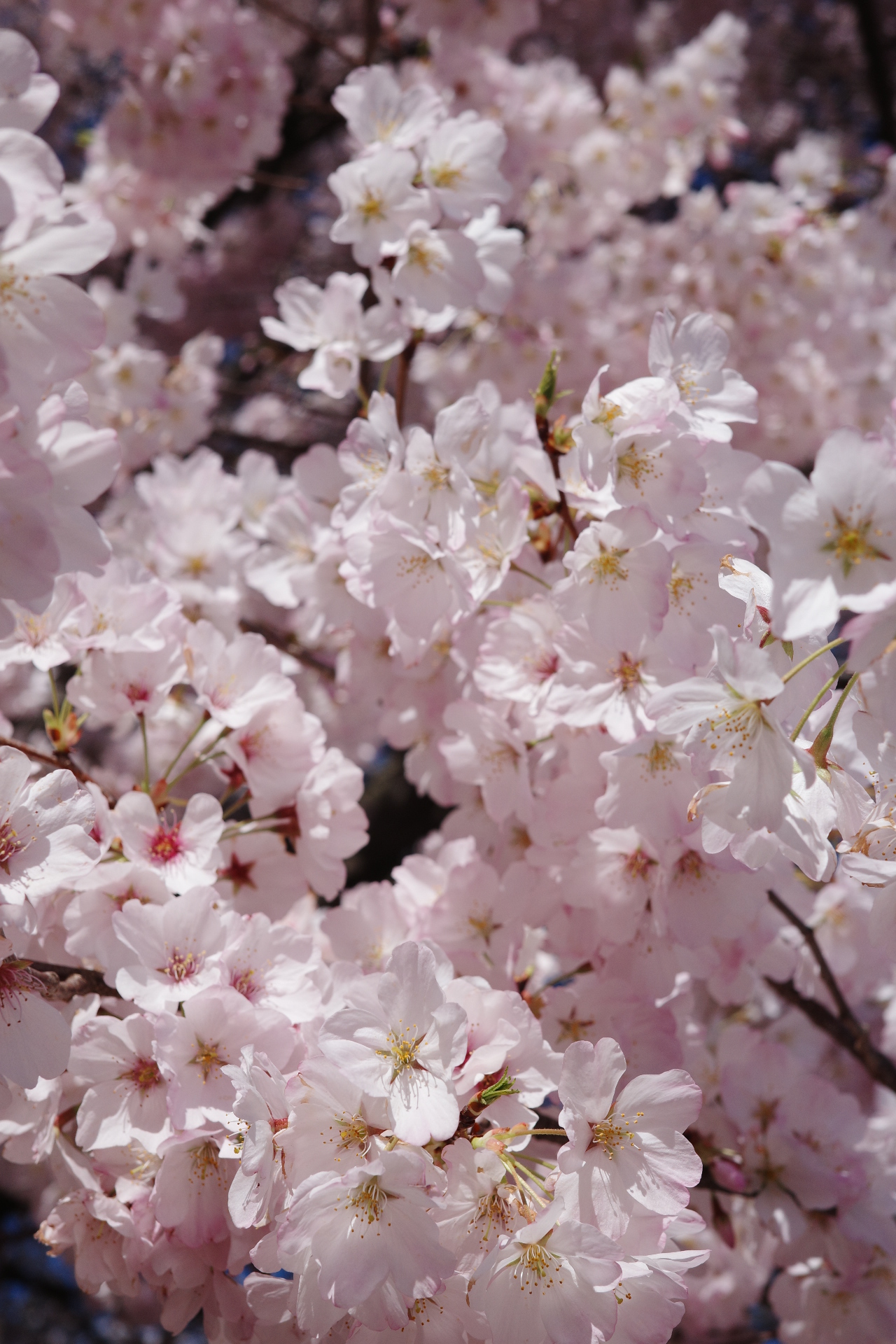
Every year during the month of March, Washington, D.C. comes alive with the beauty of cherry blossoms, drawing visitors from all over the world. Whether you’re a local or first-time visitor, the cherry blossoms are a must see in D.C during spring.
Photo Credit: Li-Wei Tung
The cherry blossom trees were gifted to the United States by Japan in 1912. They represent the long-standing friendship between the two nations. The National Cherry Blossom Festival is typically held from late March to early April, and this year it runs from March 20 to April 13, 2025. Along with viewing the cherry blossoms, the Cherry Blossom Festival Parade is another event worth attending.
The cherry trees are primarily planted around the Jefferson Memorial, the Tidal Basin, and the Potomac River—all within walking distance of one another—where you can enjoy the stunning beauty of the blossoms alongside tourists from around the globe.
Photo Credit: Li-Wei Tung
If you’re planning to visit the Tidal Basin, take the metro and get off at the Smithsonian station. It’s about a 20-25 minute walk to the destination. Along the way, you’ll pass the Washington Monument, which is also surrounded by cherry blossoms.
A few tips: Please refrain from climbing the trees or picking the blossoms. Be sure to bring your camera, and don’t forget to invite friends and family to experience the unforgettable beauty of the blooms!
Dealing with semester stress is something we all experience, right? As students, we often encounter a multitude of stressors, ranging from financial worries to academic pressures and the challenges of balancing personal lives with educational demands. Managing stress effectively is not just about alleviating immediate pressure; it’s about cultivating long-term mental and emotional resilience, which is crucial for academic success and overall well-being.
Here is How I Am Dealing With Soring Semester Stress.
Image: Pinterest
The semester can feel like a never-ending series of deadlines, exams, and social obligations, leading to a state of constant stress. To navigate these challenges, adopting effective coping mechanisms is essential, and one area to focus on is time management.
First, I always try to manage my time. I start by identifying when stressors are likely to occur during the semester, allowing me to anticipate and prepare for stressful periods in advance. Recognizing that stress often arises from procrastination, I try to tackle tasks early to mitigate last-minute pressure. Breaking down large assignments into smaller, manageable steps also makes the workload less daunting and prevents the overwhelming feeling of having too much to do at once.
Image: Pinterest
Additionally, financial stability plays a significant role in reducing stress levels. Many students face financial challenges that can significantly impact their mental health, from covering accommodation and food costs to managing academic expenses and personal needs. Creating a budget and tracking spending can provide a sense of control over finances, reducing anxiety related to money matters. I also make sure to set realistic and achievable academic goals for each semester, avoiding the trap of overcommitting to too many courses or extracurricular activities.
Image: Pinterest
Prioritizing tasks and setting boundaries helps to manage expectations and prevent burnout. I also use positive coping strategies to minimize exam-related stress. I find that focusing on mental health and maintaining a positive mindset are essential components of stress management, as good mental health enables productivity and maximizes one’s mental abilities.
Finally, I take advantage of available resources and support systems. Stress management workshops and support services offered by USG can equip students with effective coping techniques and strategies.
Spring Break is almost here! If you don’t have big plans, don’t worry. There are still plenty of fun things to do. You don’t need a big trip to have a great break. Sometimes, the best plans are the simple ones. Whether you want to relax or stay busy, there’s something for you. Here are some ideas to make your break fun.
Have a Movie or TV Show Marathon Spring Break is the perfect time to catch up on movies or shows. Pick a series you’ve been wanting to watch. Grab some popcorn and make it a movie night. You can even invite friends over for a fun watch party. If you like themed nights, try watching movies from the same genre. It’s a great way to relax and enjoy your time off.
Explore Local Parks and Trails Spring weather is usually nice, so why not go outside? Take a walk at a local park or hike a nearby trail. Bring a friend or family member and enjoy nature together. If you have a bike, take it for a ride. Fresh air and sunshine can make you feel great. Plus, it’s a free and fun way to stay active.
Try a New Hobby or Skill Spring Break is a great time to try something new. You can learn to cook a new recipe or start a DIY project. If you like music, try learning a song on an instrument. Maybe you want to get better at drawing or painting. There are so many tutorials online to help you. You might even find a new passion!
Visit a Museum or a Cool Local Spot Look up interesting places near you. Some museums are free to visit. You can also check out a cool bookstore or coffee shop. If you like history, visit a historical site. Exploring new places can be exciting. You never know what you might find!
Spend Time with Friends and Family Spring Break is a great time to catch up with people. Plan a game night or a picnic at the park. Go out for ice cream or have a fun photoshoot. You don’t need fancy plans to make memories. Sometimes, just hanging out and talking is the best. Make the most of your time with loved ones.
Even if you don’t have big plans, you can still have a great break. Try one or more of these ideas and enjoy your time off. Have fun and make the most of Spring Break!
Planning for a career while in university can be confusing and stressful. There’s much to figure out, from picking the right classes to applying for internships. This is where having a mentor can really help.
Why Mentorship is Important?
A mentor is someone who gives advice and shares their experiences to guide you. This could be a professor, a professional in your field, or even an older student. Having a mentor can make it easier to plan your future and feel more confident in your choices.
How a Mentor Can Help?
I recently got a mentor to help me with career planning. At first, I thought I knew everything I needed to do to get an internship. However, having a mentor made the process less stressful and more organized. They helped me improve my resume, prepare for interviews, and explore career options I hadn’t considered before. Having someone to guide me made a big difference.
Here are some ways a mentor can help:
Career Advice: Mentors can help you understand different career paths and find the right opportunities.
Academic Support: They can give tips on choosing courses and balancing schoolwork.
Networking: Mentors can introduce you to professionals and help you build connections.
Resume and Interview Help: They can give feedback on your resume and help you prepare for job interviews.
Encouragement: A mentor can support and motivate you, especially during tough times.
How to Find a Mentor?
Join student programs and leadership groups (like USGLeads or MLEAD).
Attend career events and networking sessions to meet professionals in your field.
Ask professors or advisors for guidance.
Use LinkedIn to connect with alumni or professionals willing to help students.
Final Thoughts
Having a mentor can make a huge difference in your university journey and career planning. They can help you make smart choices, feel more confident, and find great opportunities.
As we head toward spring break and mark the middle of the semester, we begin to prepare for midterms or start preparing for finals, projects, and presentations. Studying can be stressful as one struggles to find tips and tricks that will actually work and stick, trying to discover ways of studying and retaining (learning) the information instead of just looking or copying. The key to studying is to not overwork yourself, start early, be alert, pay attention, and repeat.
Whether you have a midterm coming up in a few days or after the break and have time over the break to study or just barely enough time to study, here are some tips and tricks I have gathered over the years as I tried to find things to make studying doable. I also attached videos that have helped.
Spend time looking at it: Before getting ready to study, spend time looking at the material, scanning, skimming, and previewing whatever you have to read and remember.
Create a relaxed study space: Set up a tidy, well-lit space where you can focus and not overwhelm yourself, making it calming but energizing.
Drink water: Have a water bottle on hand or get up and drink water every once in a while. Drinking water can aid learning and impact cognition while keeping you alert, re-energized, and hydrated.
Get up and stretch: Similar to drinking water, stretching will help you be alert and re-energized. It will also help you avoid cramping up when sitting for a long period studying.
Take breaks: Taking short breaks will allow you to let the information get fully processed in your mind, not rush through, refresh yourself, get distractions out of the way, and repeat.
Schedule a time for it: Give studying the time and patience it deserves to benefit you by dedicating a chunk of the day to the task.
Recite the information, re-tell it: This helps with repetition and lets you summarize the information by retelling it; you can also record it and hear it back.
Sleep: It is essential to get those needed hours of rest despite thinking otherwise. During sleep, the information goes from short-term to long-term memory.
Reward: Reward yourself to help motivate you to keep studying and help with the engagement.
Rewrite: re-writing the information will help with muscle memory and repetition.
Make it into a tune: music helps with learning if you create it into a catch tune, repeating it; it is likely to stick
Walking: Exercise is helpful, and walking will re-energize. You can also rehearse it while doing so.
Mindfulness: Before starting the study session, take a few breaths; it will help with concentration by centering on the task and pushing away interruptions.
Life moves fast, and with it comes a whirlwind of thoughts, emotions, and experiences that can feel overwhelming. College, especially, brings new challenges—academic pressure, personal growth, and the constant push to figure out who you are and what you want. In the midst of all this, finding a moment of clarity can feel impossible.
That’s where journaling comes in.
Journaling isn’t just about keeping a diary of daily events—it’s a tool for self-reflection, emotional release, and mental clarity. It’s a private space where you can process your thoughts, gain perspective, and understand yourself better.
Why Journaling Matters
1. Clears Mental Clutter
Our minds are constantly racing with thoughts—assignments, deadlines, conversations, worries, and dreams. Writing them down helps declutter the mind, making room for focus and peace. It’s like taking all the mental noise and putting it on paper, so it doesn’t have to take up space in your head.
2. Helps You Process Emotions
Ever felt overwhelmed but didn’t know why? Journaling allows you to dig deeper into your emotions. It helps identify patterns in your thoughts and feelings, making it easier to understand what’s causing stress, anxiety, or even happiness. Sometimes, just writing about how you feel can bring instant relief.
3. Boosts Self-Awareness
Self-reflection is key to personal growth. By consistently journaling, you start recognizing your behaviors, triggers, and thought patterns. You become more aware of what brings you joy, what drains you, and how you react to different situations. This self-awareness can lead to healthier choices and a better understanding of yourself.
4. Tracks Growth and Progress
Looking back at old journal entries can be eye-opening. You’ll see how much you’ve grown, how past struggles no longer define you, and how challenges you once thought were impossible have been overcome. It’s a reminder of your resilience and how far you’ve come.
5. Reduces Stress and Anxiety
Journaling acts as an emotional outlet, helping to release pent-up feelings. Studies have shown that writing about your worries can lower stress levels and improve mental health. When things feel chaotic, putting your thoughts on paper can create a sense of order.
6. Helps You Set and Achieve Goals
When you write down your goals, they become more tangible. Journaling allows you to map out your dreams, break them into steps, and hold yourself accountable. Whether it’s academic, personal, or career-related, writing about your aspirations keeps you motivated.
How to Start Journaling
There’s no right way to journal—what matters is that it works for you. But if you’re unsure where to begin, here are some simple approaches:
1. Daily Reflection Journal
Write a few sentences about your day—what went well, what didn’t, and how you felt. This helps track patterns in your emotions and behaviors.
2. Gratitude Journaling
List 3-5 things you’re grateful for each day. Practicing gratitude shifts your focus from what’s missing to what you already have, improving overall mindset.
3. Stream of Consciousness Writing
Set a timer for 5-10 minutes and write whatever comes to mind—no structure, no filter. It’s a great way to release built-up thoughts and emotions.
4. Prompts for Self-Reflection
What’s something I learned about myself recently?
What’s a challenge I overcame, and how did I do it?
What’s one thing I need to let go of?
Where do I see myself a year from now?
Journaling is more than just writing—it’s a powerful tool for self-discovery, emotional release, and clarity. It’s a safe space where you can be honest with yourself, track your growth, and navigate life’s ups and downs with more awareness and intention.
If you’ve never tried journaling, start small. Write a sentence, a thought, or a single word. Over time, you’ll realize how therapeutic it can be. There’s no right or wrong way to do it—just your way.
So, grab a notebook (or open a digital doc) and start writing. Your future self will thank you.













 USG
USG
 The Universities at Shady Grove (USG)