
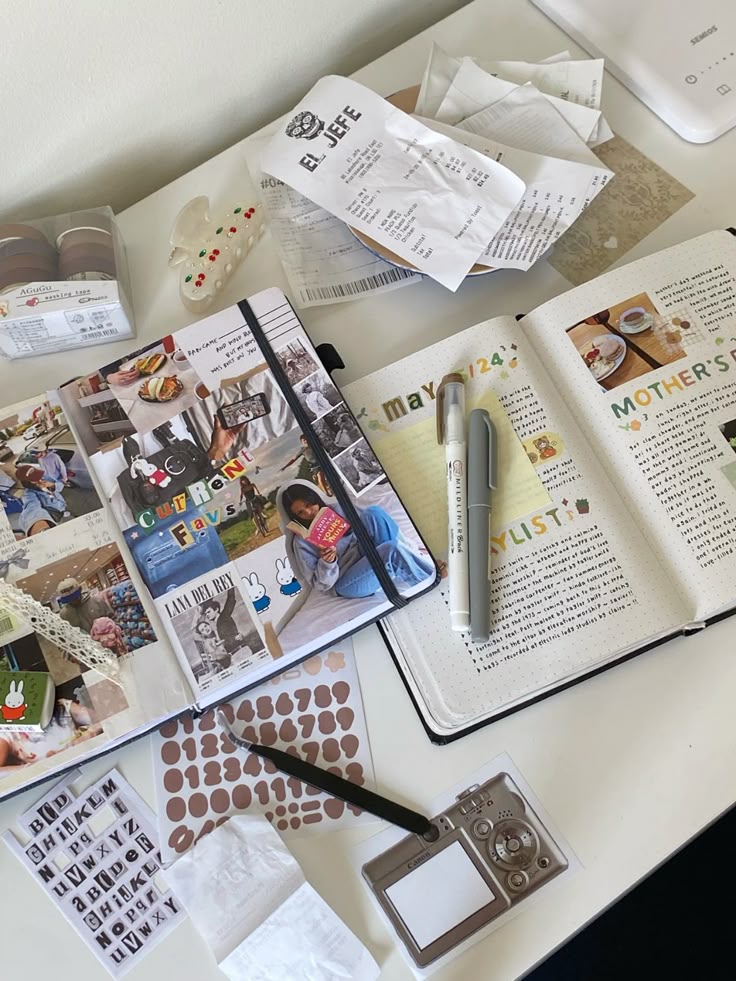
Life moves fast, and with it comes a whirlwind of thoughts, emotions, and experiences that can feel overwhelming. College, especially, brings new challenges—academic pressure, personal growth, and the constant push to figure out who you are and what you want. In the midst of all this, finding a moment of clarity can feel impossible.
That’s where journaling comes in.
Journaling isn’t just about keeping a diary of daily events—it’s a tool for self-reflection, emotional release, and mental clarity. It’s a private space where you can process your thoughts, gain perspective, and understand yourself better.
Why Journaling Matters
1. Clears Mental Clutter
Our minds are constantly racing with thoughts—assignments, deadlines, conversations, worries, and dreams. Writing them down helps declutter the mind, making room for focus and peace. It’s like taking all the mental noise and putting it on paper, so it doesn’t have to take up space in your head.
2. Helps You Process Emotions
Ever felt overwhelmed but didn’t know why? Journaling allows you to dig deeper into your emotions. It helps identify patterns in your thoughts and feelings, making it easier to understand what’s causing stress, anxiety, or even happiness. Sometimes, just writing about how you feel can bring instant relief.
3. Boosts Self-Awareness
Self-reflection is key to personal growth. By consistently journaling, you start recognizing your behaviors, triggers, and thought patterns. You become more aware of what brings you joy, what drains you, and how you react to different situations. This self-awareness can lead to healthier choices and a better understanding of yourself.
4. Tracks Growth and Progress
Looking back at old journal entries can be eye-opening. You’ll see how much you’ve grown, how past struggles no longer define you, and how challenges you once thought were impossible have been overcome. It’s a reminder of your resilience and how far you’ve come.
5. Reduces Stress and Anxiety
Journaling acts as an emotional outlet, helping to release pent-up feelings. Studies have shown that writing about your worries can lower stress levels and improve mental health. When things feel chaotic, putting your thoughts on paper can create a sense of order.
6. Helps You Set and Achieve Goals
When you write down your goals, they become more tangible. Journaling allows you to map out your dreams, break them into steps, and hold yourself accountable. Whether it’s academic, personal, or career-related, writing about your aspirations keeps you motivated.
How to Start Journaling
There’s no right way to journal—what matters is that it works for you. But if you’re unsure where to begin, here are some simple approaches:
1. Daily Reflection Journal
Write a few sentences about your day—what went well, what didn’t, and how you felt. This helps track patterns in your emotions and behaviors.
2. Gratitude Journaling
List 3-5 things you’re grateful for each day. Practicing gratitude shifts your focus from what’s missing to what you already have, improving overall mindset.
3. Stream of Consciousness Writing
Set a timer for 5-10 minutes and write whatever comes to mind—no structure, no filter. It’s a great way to release built-up thoughts and emotions.
4. Prompts for Self-Reflection
- What’s something I learned about myself recently?
- What’s a challenge I overcame, and how did I do it?
- What’s one thing I need to let go of?
- Where do I see myself a year from now?
Journaling is more than just writing—it’s a powerful tool for self-discovery, emotional release, and clarity. It’s a safe space where you can be honest with yourself, track your growth, and navigate life’s ups and downs with more awareness and intention.
If you’ve never tried journaling, start small. Write a sentence, a thought, or a single word. Over time, you’ll realize how therapeutic it can be. There’s no right or wrong way to do it—just your way.
So, grab a notebook (or open a digital doc) and start writing. Your future self will thank you.
 USG
USG
 The Universities at Shady Grove (USG)
Great reminder why journaling is so vital.